

The 2026 Author Advantage: How to Stay Miles Ahead of AI (Not Replaced by It)
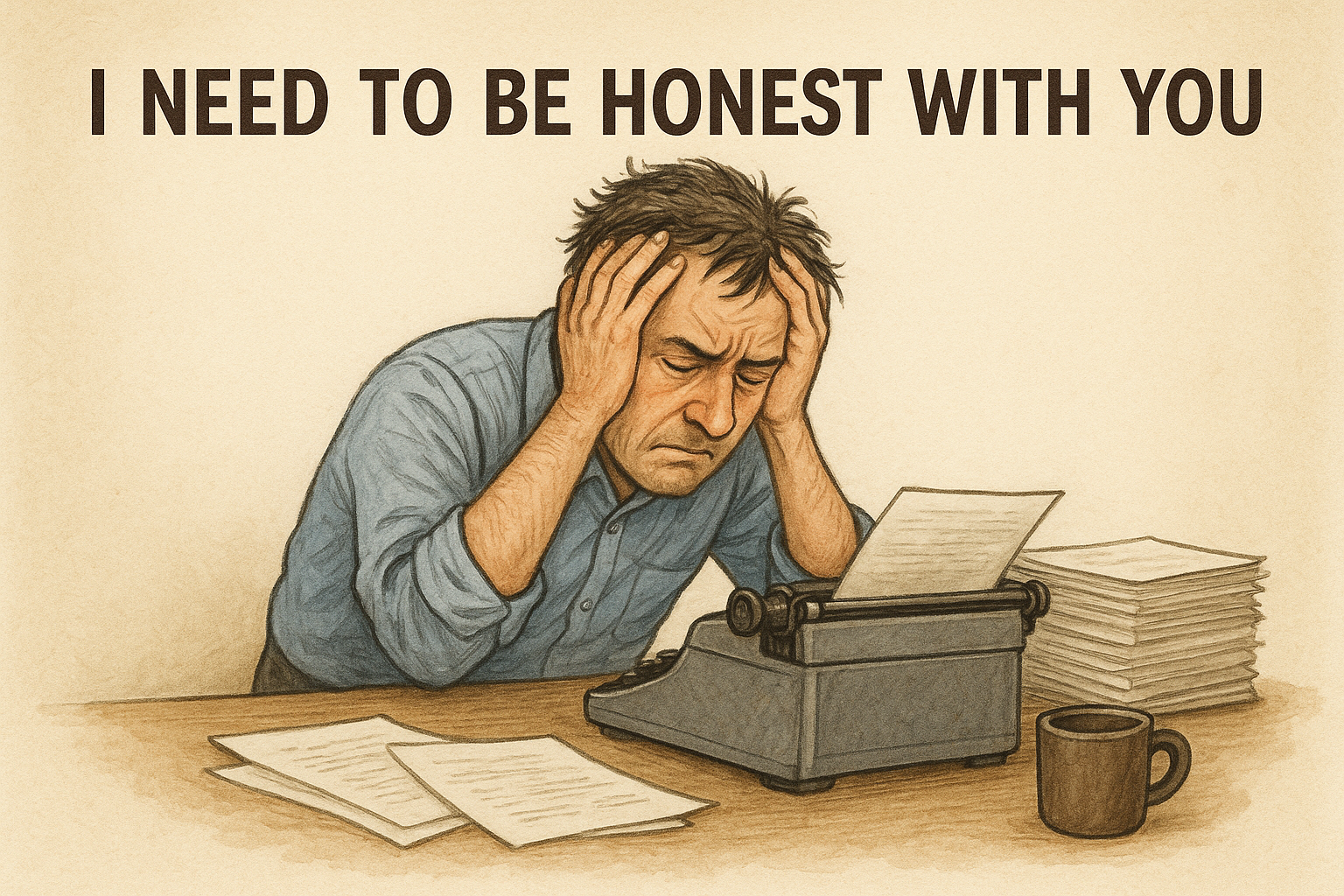
The 2026 Author Advantage: How Writers Can Stay Ahead of AI, Not Compete With It
Written by: Timothy Foster | CEO & Creative Director
But the real threat to authors is not AI itself. The real threat is misunderstanding what AI actually does—and, more importantly, what it cannot do.
AI does not replace authors. It replaces formulaic writing.
Artificial intelligence is fundamentally predictive. It analyzes existing patterns, language structures, and probabilities, then produces text that statistically resembles what already exists. This makes it efficient, fast, and consistent. It does not make it creative in the human sense. AI cannot live a life, carry emotional memory, or develop a worldview shaped by experience, loss, contradiction, or growth.
That distinction is where the 2026 advantage lives.
As AI-generated content becomes more common, readers will encounter an overwhelming amount of writing that feels technically competent but emotionally empty. The more content floods the market, the more valuable authentic voice becomes. In other words, AI raises the bar for authors—but it also widens the gap between meaningful writing and generic writing.
The authors who struggle in 2026 will not be those lacking talent. They will be the ones trying to sound safe, neutral, or indistinguishable from everything else on the market. AI thrives on averages. It excels at producing writing that offends no one, challenges nothing, and feels familiar. Human authors, on the other hand, thrive when they take risks.
Strong point of view will matter more than ever. Readers are drawn to conviction, not balance. They want stories and ideas shaped by perspective, not sanitized by algorithms. An author who knows what they believe—and is willing to explore that belief honestly on the page—will stand out immediately in an AI-saturated landscape.
Voice will also matter more than polish. AI writes cleanly, but it writes without friction. Human writing breathes because it carries imperfection, rhythm, and idiosyncrasy. The quirks an author once tried to edit out may become the very thing that makes their work unmistakably human.
Another key advantage for authors in 2026 will be how they choose to use AI, rather than whether they use it at all. Rejecting AI entirely is no longer practical, but surrendering the creative process to it is equally damaging. The most effective authors will treat AI as a support tool, not a substitute. It can help brainstorm ideas, organize research, test marketing language, or outline possibilities. The actual writing—the emotional core, the storytelling, the decisions—must remain human.
Where many authors can leap far ahead of AI is in visibility and connection. Writing a strong book will never be enough on its own. Authors who understand how to communicate their story visually, emotionally, and digitally will outperform those who rely solely on the written page. Readers respond to context: why a book exists, what problem it speaks to, and how it reflects the author’s lived experience. AI cannot replicate genuine connection or trust, especially when authors show up as real people behind their work.
Interestingly, readers are already becoming more sensitive to AI-generated content. Even when they cannot identify it explicitly, they sense when something lacks depth or emotional grounding. As this awareness grows, authenticity will become a form of currency. Books that feel human—flawed, thoughtful, emotionally resonant—will stand out precisely because so much other content will feel hollow.
The future of publishing does not belong to machines, and it does not belong to authors who resist change out of fear. It belongs to writers who understand that technology changes tools, not purpose. Stories exist to help humans understand themselves and each other. That purpose has not changed, and no algorithm can replace it.
By 2026, the most successful authors will not be those who compete with AI on speed or volume. They will be the ones who lean fully into what makes them irreplaceable: perspective, experience, emotional truth, and voice. Those qualities are not threatened by AI. They are amplified by it.
Is you want to leverage up your markeing game, click here and take back control of your future! CLICK HERE

Timothy Foster